 Mukesh@gmail.com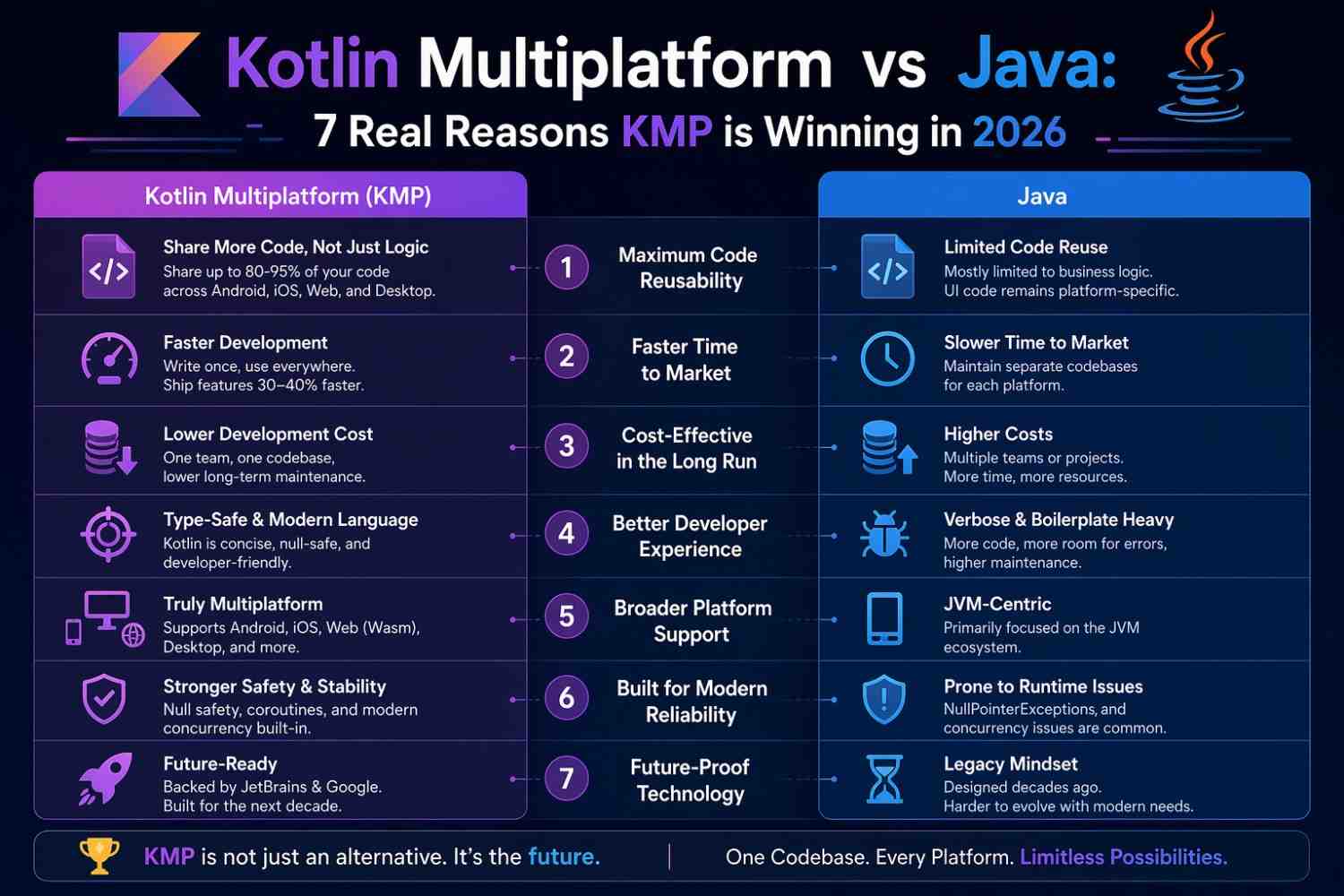
Introduction
A few years ago, if you asked any Android developer what language they used, the answer was almost always Java. No debate, no hesitation. Java was Android. But somewhere around 2021–2022, that answer started getting complicated — and in 2026, Kotlin Multiplatform vs Java has become one of the most genuine conversations in the Android and mobile development world.
This isn’t about Java being bad. Java is solid. It’s been battle-tested for over 25 years and powers some of the most critical software on the planet. The Kotlin Multiplatform vs Java discussion is really about what modern app development demands — and whether Java’s design can keep up with those demands without significant friction.
Kotlin Multiplatform vs Java matters right now because teams are making real decisions about new projects, hiring, and long-term architecture. Understanding the practical differences — not just the theoretical ones — helps developers and tech leads make smarter choices. That’s what this article is for.
First, What Is Kotlin Multiplatform and How Is It Different from Java
Before comparing Kotlin Multiplatform vs Java properly, it’s worth clearing up a common misconception about what KMP actually does.
Kotlin Multiplatform is not a write-once-run-everywhere UI framework. That’s Flutter or React Native. KMP is specifically designed to share business logic — things like data models, API communication, local database queries, authentication logic — across Android, iOS, desktop, and web platforms.
Each platform keeps its own native UI. Android still uses Jetpack Compose or XML layouts. iOS still uses SwiftUI. But the logic underneath — the part that does the actual work — is written once in Kotlin and shared everywhere.
Java simply cannot do this. Java lives on the JVM. It doesn’t compile to native iOS code. It can’t run natively on Apple devices without workarounds that introduce their own complexity. That fundamental limitation is where the Kotlin Multiplatform vs Java story really begins.
Reason 1 – KMP Runs on iOS, Java Does Not
This is the clearest and most decisive point in the Kotlin Multiplatform vs Java comparison for teams building mobile apps.
If your product needs both an Android app and an iOS app — which most consumer products do — Java forces you to write your business logic twice. Once in Java for Android, once in Swift for iOS. Same validation rules, same data parsing, same API integration — all duplicated.
That duplication creates double the maintenance work, double the chances for bugs, and inconsistency between platforms when one team updates logic and the other doesn’t.
KMP eliminates that problem at the logic layer. Write it once in Kotlin, share it across Android and iOS. In the Kotlin Multiplatform vs Java context, this alone changes the economics of building multiplatform apps fundamentally.
H3: Companies Already Shipping KMP in Production
This isn’t experimental territory anymore. Netflix, VMware, Cash App, and Philips have all publicly discussed using Kotlin Multiplatform in production environments.
Cash App in particular has been using KMP to share business logic between Android and iOS for several years. That kind of real-world validation matters when evaluating Kotlin Multiplatform vs Java for a serious project.
Reason 2 – Null Safety Is Built Into Kotlin’s Core
Ask any experienced Android developer what causes the most frustrating production crashes in Java apps. The answer, almost universally, is NullPointerException.
Java allows null values almost everywhere. The compiler doesn’t warn you when something might be null — it just crashes at runtime. On a user’s device. At the worst possible moment.
Kotlin handles this at the compiler level. If a variable can be null, you must explicitly declare it as nullable using a ? symbol. The compiler will refuse to build your code until you’ve handled the null case properly.
In the Kotlin Multiplatform vs Java comparison, this single difference has a measurable impact on app stability. Fewer null-related crashes, more predictable behavior, and a codebase that’s genuinely safer to modify without fear of introducing regressions.
For shared KMP code running on both Android and iOS, this reliability is especially important — because a bug in shared logic affects two platforms simultaneously.
Reason 3 – Dramatically Less Boilerplate Code
Java is verbose. That’s not an opinion — it’s just a characteristic of how the language was designed.
A simple data class in Java — one that just holds a few values — requires a constructor, private fields, getters, setters, an equals method, a hashCode method, and a toString method. That’s easily 50 to 70 lines of code before you’ve written any actual functionality.
In Kotlin, the same thing is one line. data class User(val name: String, val email: String) — and the compiler generates everything else automatically.
When you’re writing shared logic in a Kotlin Multiplatform vs Java architecture, this conciseness makes the shared codebase dramatically easier to read and review. Engineers from both Android and iOS sides of the team can understand it quickly, even if they’re not Kotlin specialists.
Less boilerplate also means less surface area for bugs to hide. That’s a practical engineering benefit, not just aesthetic preference.
Reason 4 – Coroutines Handle Async Work Better Than Java’s Approach
Asynchronous programming is unavoidable in mobile development. API calls, database reads, file operations — all of these happen off the main thread. How a language handles that async work matters a lot for code quality and maintainability.
Java approaches this with callbacks, threading utilities, or external libraries like RxJava. These tools work, but they introduce complexity. Callback chains become difficult to follow. Error handling spreads across multiple places. Testing async Java code requires careful setup.
Kotlin Coroutines handle async operations in a way that reads almost like straightforward synchronous code. Functions marked with suspend can pause and resume without blocking a thread. Error handling works with standard try-catch. Cancellation is built in and predictable.
In a Kotlin Multiplatform vs Java architecture, coroutines run in the shared module — meaning your async data-fetching logic written once in Kotlin behaves consistently across Android and iOS. Java offers no equivalent cross-platform async model.
Reason 5 – Google’s Ecosystem Is Now Kotlin-First, Not Java-First
Ecosystem support determines how productive developers can actually be day to day. Libraries, documentation, tooling, official samples — these things add up.
In 2026, Google’s Android ecosystem is unmistakably Kotlin-first. Jetpack libraries are designed around Kotlin idioms. Jetpack Compose — the modern, actively developed Android UI framework — is written entirely in Kotlin. There is no Java version of Compose. If you want to use it, you use Kotlin.
New Android API documentation leads with Kotlin examples. Google’s official learning resources for Android start with Kotlin. The Android team’s public communications about future development direction center on Kotlin.
This ecosystem shift matters in the Kotlin Multiplatform vs Java conversation because it means Java developers working on Android are increasingly swimming against the current. The tools, the docs, and the community are oriented toward Kotlin — and increasingly toward KMP for multiplatform work.
Reason 6 — Shared Testing Across Platforms Saves Real Time
Testing doesn’t get talked about enough in the Kotlin Multiplatform vs Java discussion, but it’s genuinely one of KMP’s practical strengths.
In a Java-only Android setup, your Android team writes tests in Java or Kotlin. Your iOS team writes tests in Swift. If your business logic has a bug, whether it gets caught depends on which team happened to write a test that covers that specific case.
KMP allows you to write tests for shared modules once. Those tests run on both platforms. If your data parsing logic breaks, the shared test catches it — regardless of whether the bug was discovered through the Android or iOS version of the app.
For teams that care about code quality and regression prevention, this shared testing capability is a meaningful advantage when weighing Kotlin Multiplatform vs Java for a serious project.
Reason 7 — The Developer Community Is Moving Toward KMP
Technology decisions aren’t made in a vacuum. Hiring, community resources, Stack Overflow answers, open-source libraries — all of these are influenced by where developer attention is flowing.
In 2026, that attention is clearly moving toward Kotlin and KMP. More Android bootcamps teach Kotlin first. More university courses use Kotlin for Android examples. More open-source Android projects are starting in Kotlin rather than Java.
KMP specifically has seen significant growth in community resources over the last two years. There are dedicated libraries for KMP networking (Ktor), KMP database access (SQLDelight), KMP dependency injection (Koin), and more. The tooling around KMP is maturing fast.
This community momentum matters in the Kotlin Multiplatform vs Java comparison because it affects long-term maintainability. A technology with a growing, active community gets better tooling, faster bug fixes, and more learning resources over time. That compounds.
You can explore the growing KMP library ecosystem at kotlinlang.org/docs/multiplatform.html — the official documentation has improved substantially in 2025 and 2026.
Where Java Still Makes Complete Sense in 2026
Fairness matters in this Kotlin Multiplatform vs Java discussion. Java is not going away, and for certain contexts it remains the right choice.
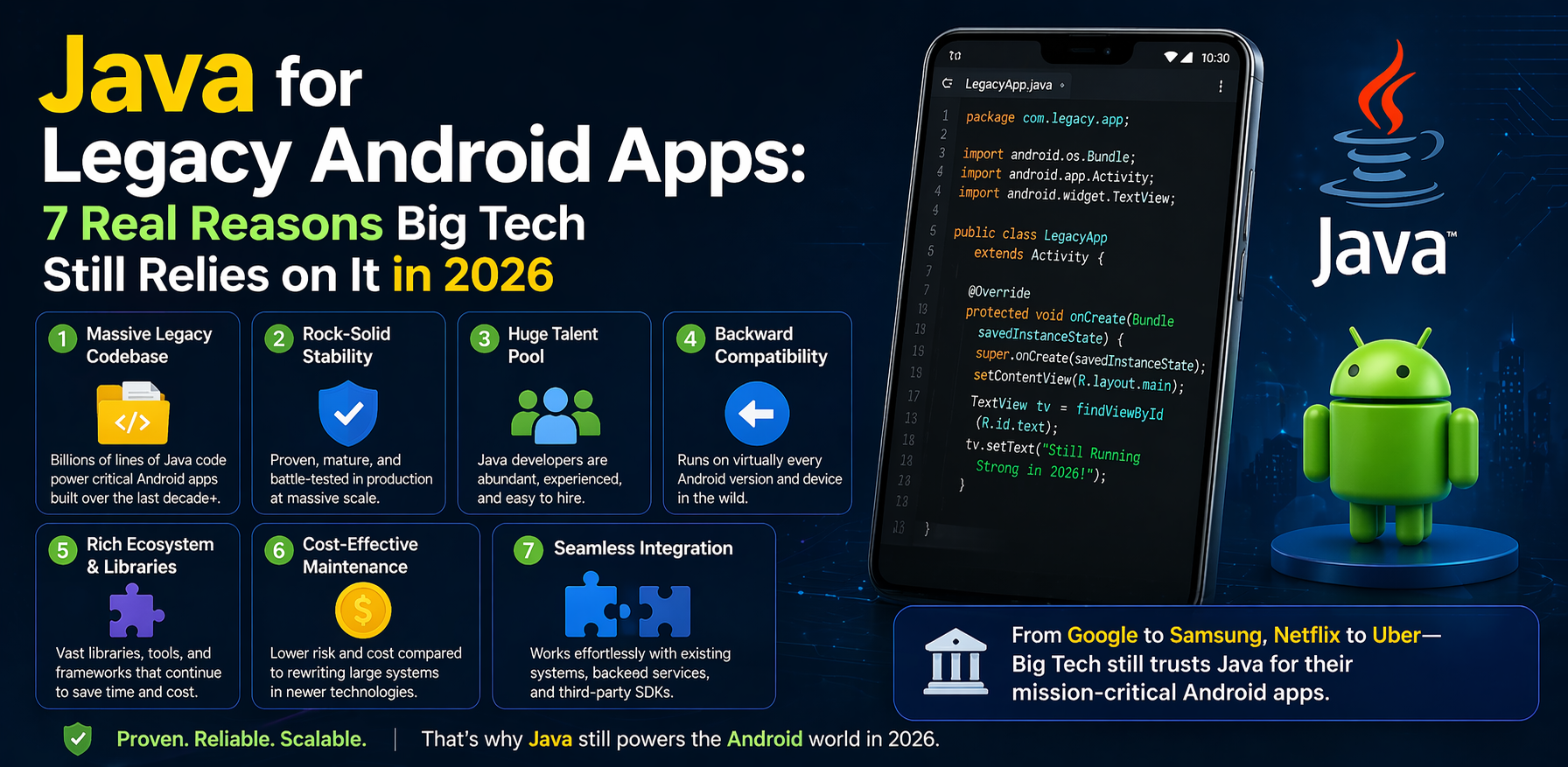
Legacy Android apps with millions of lines of existing Java code don’t need immediate migration. Java works. Android supports it. The business case for a full rewrite rarely makes sense when the app is stable and functioning.
For backend development — Spring Boot applications, enterprise data systems, large-scale server infrastructure — Java remains dominant. KMP isn’t competing in that space in any serious way yet. The Kotlin Multiplatform vs Java comparison is primarily meaningful for mobile and multiplatform client development, not for backend engineering where Java’s ecosystem is still unmatched.
Teams with deep Java expertise and no near-term multiplatform requirements can reasonably stay in Java. The urgency depends heavily on what you’re building and where you need to be in two to three years.
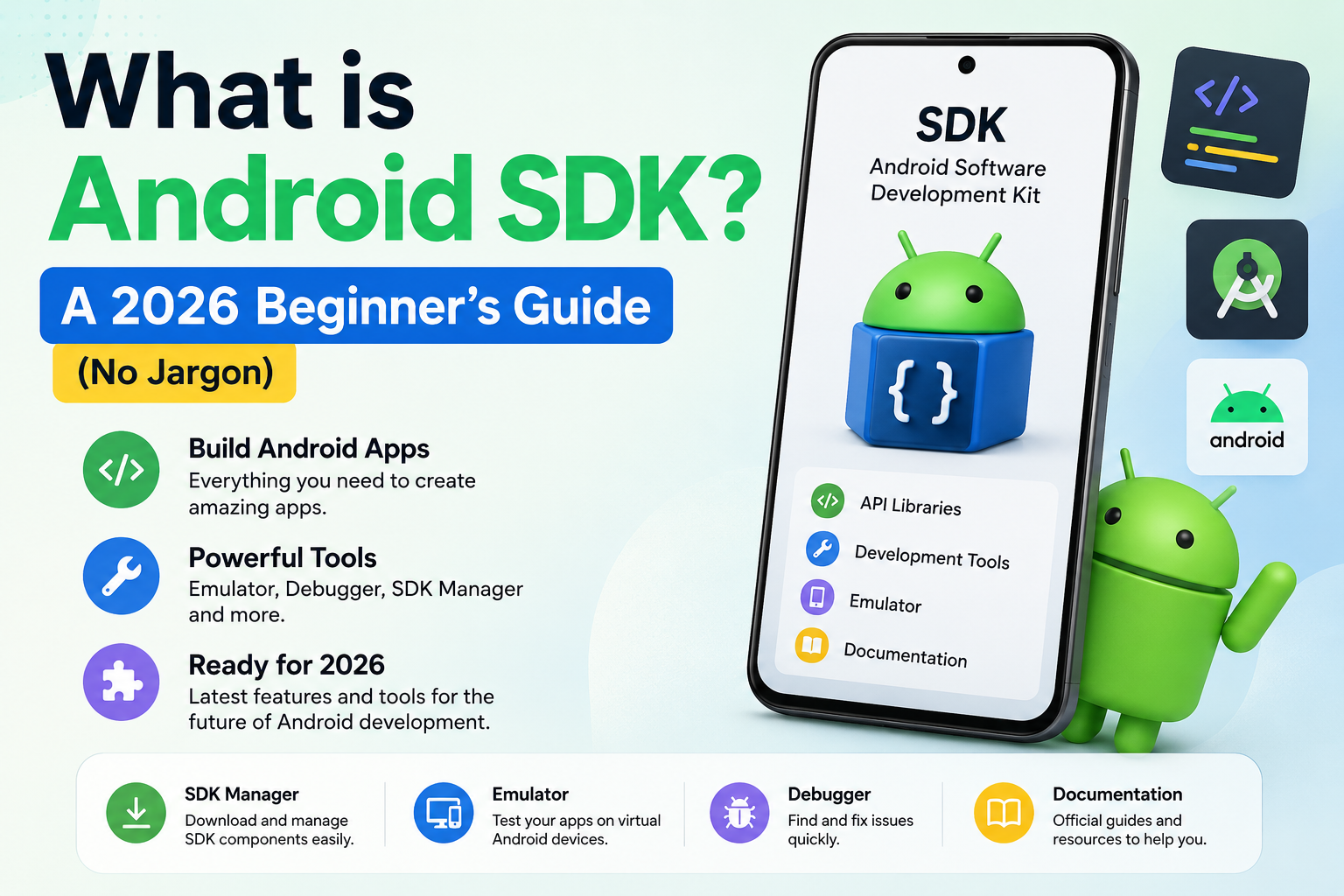
For further reading on how Android handles mixed Java and Kotlin codebases, the official Android developer guide on Kotlin offers solid context on interoperability and migration approaches.
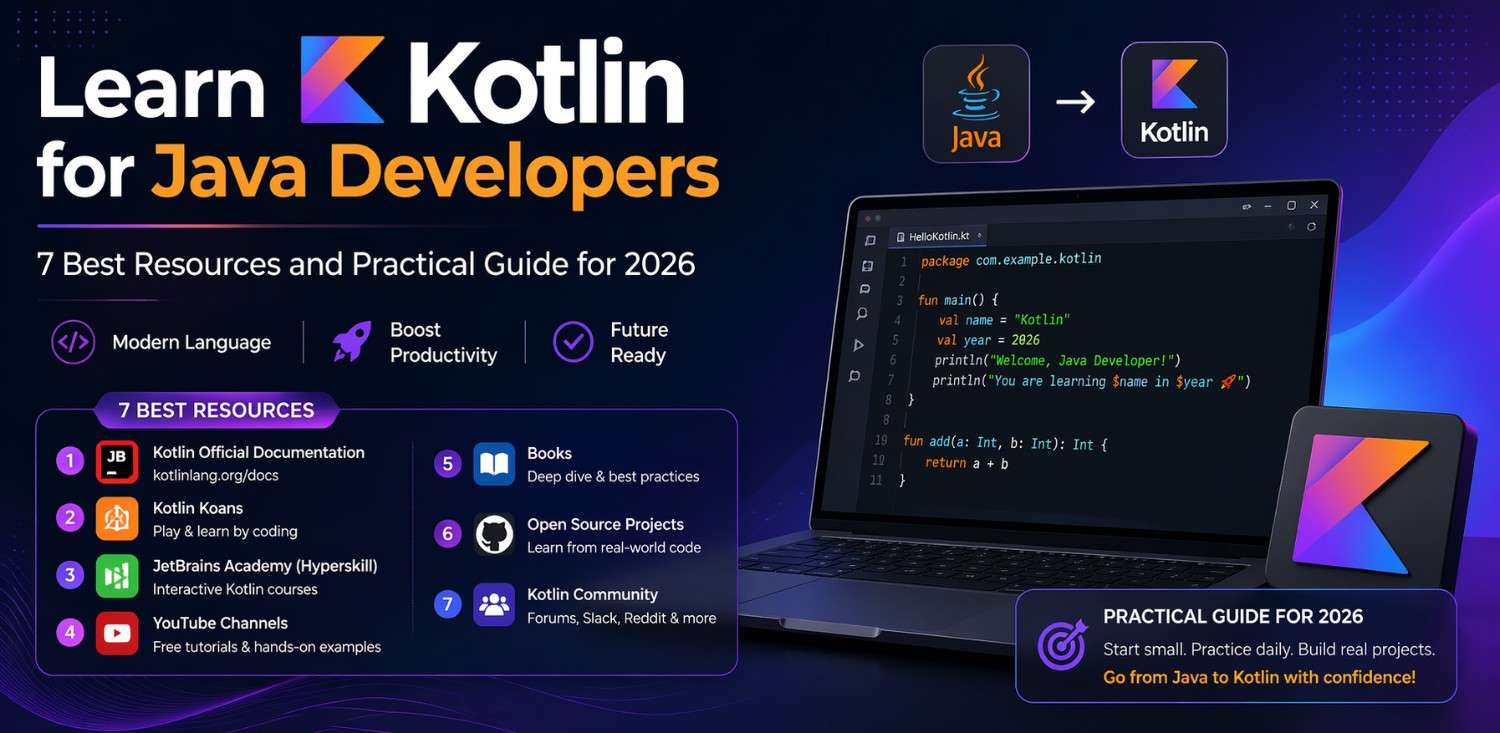
Also worth reading internally: Why Big Tech Companies Still Use Java for Legacy Android Apps and Best Resources to Learn Kotlin for Java Developers in 2026 — both give useful context that pairs well with this article.
How to Evaluate Whether KMP Is Right for Your Project
If you’re trying to apply the Kotlin Multiplatform vs Java comparison to your own situation, a few straightforward questions help cut through the noise.
Are you building for both Android and iOS? If yes, KMP gives you immediate, practical value through shared business logic. Are you starting a new project from scratch in 2026? Beginning with Kotlin and structuring for KMP is significantly easier than migrating an existing codebase later.
Does your team already have Kotlin experience? If yes, KMP’s learning curve is much shorter than it appears from the outside. The shared module concepts are intuitive once you’re comfortable with Kotlin idioms.
If you’re maintaining a stable Java Android app with no iOS counterpart and no multiplatform plans on the roadmap — the urgency is genuinely lower. Understanding KMP now still positions you better for when that question eventually comes up in your organization.
Final Conclusion
The Kotlin Multiplatform vs Java conversation in 2026 isn’t really about picking a winner and declaring the other obsolete. It’s about understanding what each technology does well and where the practical advantages lie for the kind of software being built today.
KMP wins on cross-platform logic sharing, null safety, code conciseness, async handling, ecosystem alignment, shared testing, and community momentum. Java wins on stability, legacy codebase support, backend maturity, and enterprise adoption.
For new mobile projects — especially anything targeting both Android and iOS — Kotlin Multiplatform vs Java increasingly points toward KMP as the smarter architectural choice. That shift is already visible in production at companies that have made the investment. The question for most development teams in 2026 isn’t whether to take KMP seriously. It’s how quickly to start.